Aims of the Society
- To affirm, defend and promote the existence and value of human life
from the moment of conception, and to defend and protect human life
generally.
- To reassert the principle laid down in the United Nations
1959 Declaration of the Rights of the Child that the child "needs
special safeguards and care, including appropriate legal protection,
before as well as after birth."
- To defend, assist and promote the life and welfare of mothers
during pregnancy and of their children from the time of conception up
to, during and after birth.
- To examine existing or proposed laws, legislation or
regulations relating to abortion and to support or oppose such as
appropriate.
Activities of the society
The defence of the defenceless
SPUC represents a voice for the
unborn. The society promotes awareness of the humanity of the unborn
child to encourage more widespread recognition of the obligation to
defend those with no means to defend themselves.
Political lobbying
SPUC maintains that all unborn children are
entitled to the protection of the law. At constituency level, branches and
individual members of SPUC lobby their members of parliament on
right-to-life issues. SPUC promotes the importance of the civil right
and duty to lobby elected representatives and encourages its members
and the public to make representations, as appropriate, to councillors
and to members of the European parliament, Scottish parliament, and
Welsh and Northern Ireland assemblies, as well as to their MP. SPUC
monitors the voting records of MPs and MEPs on abortion, embryo
experimentation and euthanasia, and is thus able to inform the public
of what their elected representatives have done on these issues.
SPUC
encourages people who are pro-life to join the political party of their
choice, since these are the fora in which individuals can work most
effectively in the political field for the good of society, including
the right to life of the unborn baby.
Leaflets
SPUC distributes leaflets extensively, principally
through door-to-door leafleting by volunteers. These leaflets summarise
the development of the unborn child, explain the lethal nature of
abortion for the unborn child and the social effects of abortion on
demand, and offer help to those who have suffered from an abortion.
SPUC aims regularly to leaflet every household in the country to enable
everyone to receive this information, of which many people would
otherwise remain in ignorance. These facts have been denied to many
women faced with the prospect of an abortion.
In addition to
these leaflets for general distribution, SPUC also has leaflets for
students, trade unionists, disabled people and adherents of particular
religious faiths.
Foetal models
The most influential project of the SPUC Educational Research Trust, SPUC's educational charity, is
How You Began,
a set of anatomically accurate foetal models. It has an accompanying
booklet showing the child in the womb at five stages of development.
The models are used extensively in schools, hospitals and crisis
pregnancy centres in Britain, and attract orders from overseas. A set
of the models was sent free of charge to every state secondary school
in Britain in 1990, to the acclaim of many teachers.
Educational services
In addition to the fetal models project,
SPUC has developed a range of educational material, primarily to meet
the needs of teachers and school students examining pro-life issues as
part of their curriculum. Project packs, sent free to students and
teachers on request, are available on abortion, population issues, IVF
and embryo experimentation, and euthanasia. Videos may be bought or
hired from the society, and a list of current publications is available.
SPUC
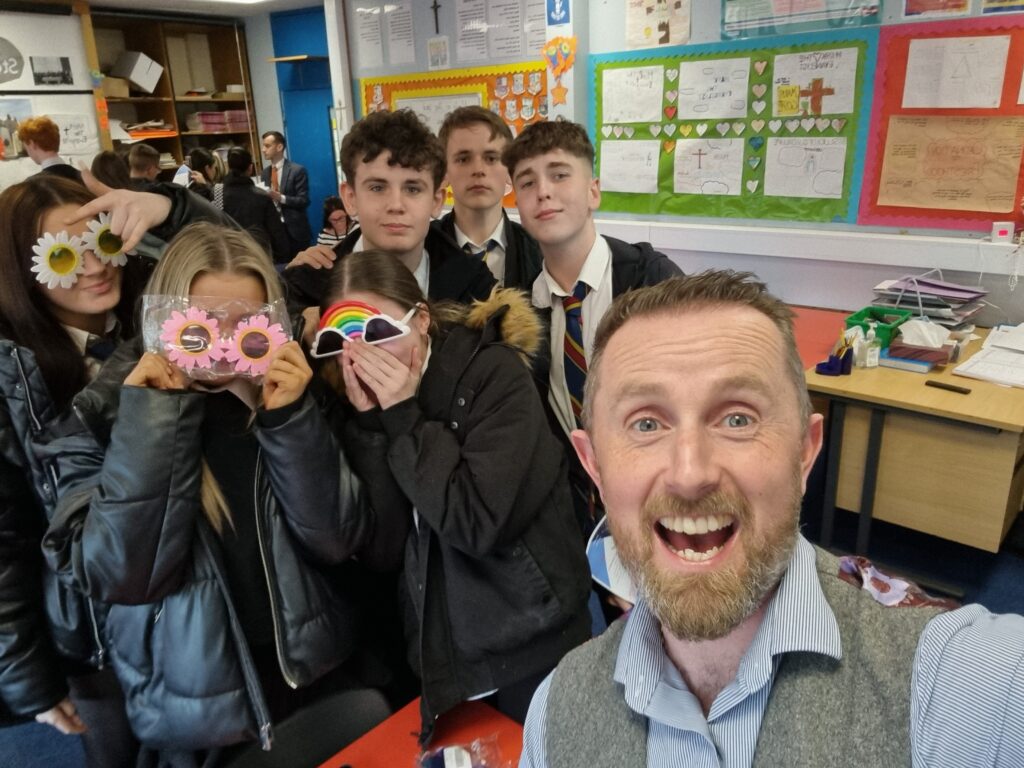
also offers schools the free services of trained speakers to give slide
presentations on the humanity of the unborn child and the issue of
abortion, or to show a video, or to take part in a discussion or
debate. If the school wishes, a representative of the society will
discuss the programme with the teacher in advance and agree the
selection of visual aids to be used.
Education for members
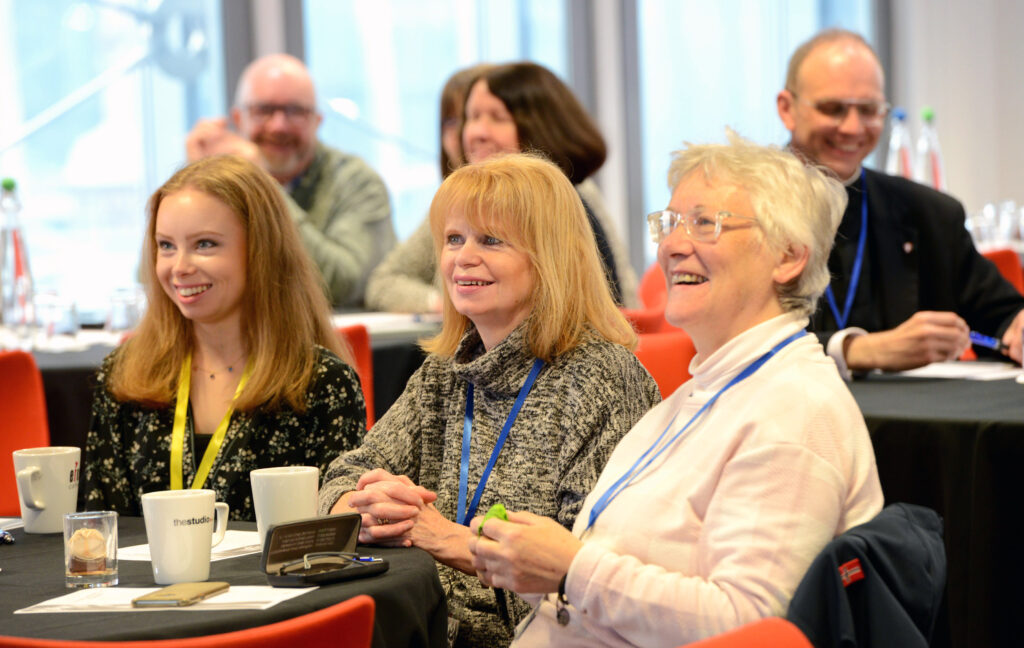
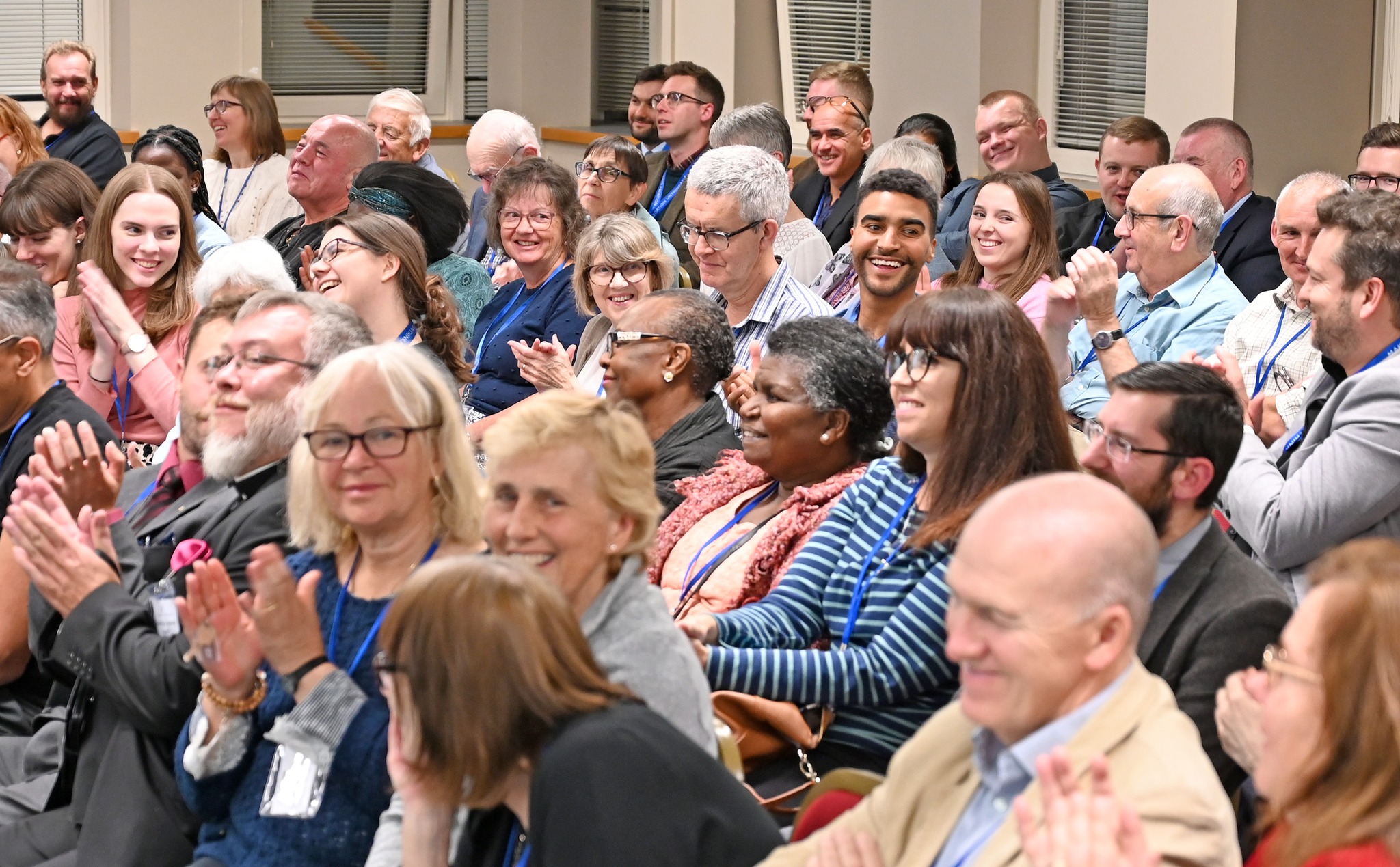
SPUC organises conferences to
disseminate information to members and supporters, providing them with
the opportunity to hear expert guest speakers, and to encourage their
more active participation in pro-life work. Educational events are also
held for SPUC branches and trainee speakers, including events which
involve media training, in addition to full-day seminars on bioethical
issues.
Disability awareness
No Less Human (NLH) is a group within
SPUC for disabled people, their families and carers. Disabled
people are threatened throughout their lives by the mentality that says
they would be better off dead. NLH campaigns to secure in law the equal
right to life of disabled people from conception to natural death.
Welfare
While SPUC is primarily an educational and lobbying
organisation, it also responds to requests for assistance from
expectant mothers facing difficulties. We draw on our experience and
extensive contacts to see that they receive the help they need to avoid
abortion, often in spite of very difficult circumstances. This is
primarily the responsibility of the SPUC Educational Research Trust's
welfare officer.
Counselling for those harmed by abortion is
provided by British Victims of Abortion, a division of the SPUC
Educational Research Trust, founded by women who have had abortions and
are in a position to help others with the emotional difficulties they
are experiencing.
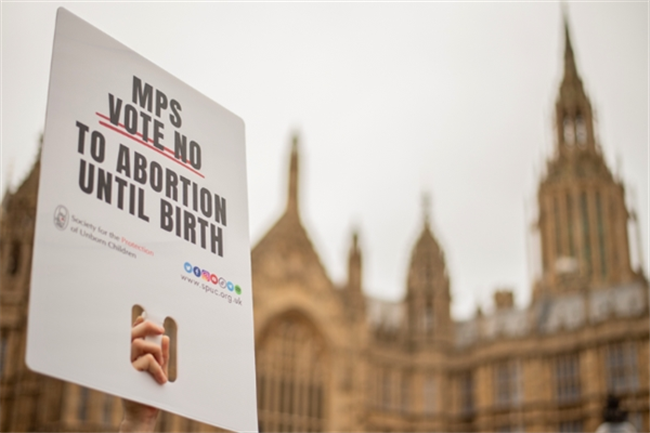
Public acts of witness
SPUC organises public events to raise
awareness of the loss of life and harm to women brought about under the
Abortion Act. Every year, usually to mark the anniversary of the Act's
coming into force on 27 April 1968, SPUC's
Pro-Life Chain is held around the cities of London and Westminster and in many other locations. The
Pro-Life Chain is a continuous line of volunteers silently holding placards to the view of passing traffic.
The society encourages acts of witness to the sanctity of life in a religious context, and makes available the
Undying Flame, a commemorative light, to churches wishing to hold services centred around it.
Rescue activity
Some pro-life organisations and individuals
engage in prayer vigils, demonstrations and pavement counselling
outside abortion facilities. Such work is very evident in the US and
Canada. While this is undoubtedly a courageous witness by those
involved (many of whom have been abused, beaten, arrested and
imprisoned for peaceful action), and SPUC supports the right to
participate in peaceful demonstrations, we do not organise such
activities outside abortion facilities.
One of the reasons for
this is that, in the current climate of strong pro-abortion prejudice
in many sections of the media, it is inevitable that the press and
broadcasters will misrepresent such events as being violent and
fanatical. The impact of such dishonest reporting is evident among
clergy, politicians, doctors, teachers and others, the policy-makers
and opinion-formers with whom SPUC needs to work closely in order to
educate people, change the law and save lives. It is important to take
account of the substantial damage that such coverage can do to the
interests of unborn children.
Isolated acts of violence towards
the staff of abortion facilities has also occurred, and SPUC has always
condemned violence, whether against abortionists or unborn babies.
While those responsible have on each occasion acted as individuals (not
members of any pro-life group), these actions have been used to try to
discredit pro-life organisations in general. This is grossly unfair,
just as it would be if the record of criminal acts which characterise
some animal welfare protesters (including leading members of some
groups) were used to try to discredit the arguments of the responsible
elements of the animal welfare lobby.
Contributing to public debate
National and local
spokespersons of the society participate frequently in interviews and
debates in the press and the broadcast media. SPUC makes available
referenced briefing material on all aspects of the pro-life issues as a
resource for members who contribute to the letter columns of the press,
including national, local and religious publications.
The
society frequently arranges public meetings, provides speakers to
address interested groups, and organises press conferences to promote
major pro-life publications, often in collaboration with members of
parliament.
Publications
The
Pro-Life Times,
SPUC's newspaper, reports on developments nationally and
internationally, chiefly in the British parliament, the law, the media
and the medical profession. The
Pro-Life Times is distributed by SPUC branches and activists to promote the society's work.
SPUC also publishes its
charities bulletin
which reports the stated or known stance and activities of charities in
relation to pro-life issues. The purpose of the bulletin is to promote
a shift towards pro-life policies by encouraging readers, where
charities have policies which they find unacceptable, to take up their
concerns with those charities, asking them to change their policies so
that they can in conscience support them.
Major publications of the SPUC Educational Research Trust include
Legal Abortion Examined (1992), the first full survey in any country of two decades of abortion statistics, and
...and still they weep (1996), recounting 20 case histories of the effect of abortion on the mother and other family members.
SPUC has published Love Your Unborn Neighbour (1993), aimed
primarily at Evangelical Christians, which comprehensively explores the
pro-life issues.
International action
SPUC monitors developments in the
European Parliament and works with MEPs to promote pro-life measures in
Europe. The society makes available its advice and assistance for
pro-life initiatives in other countries in collaboration with overseas
colleagues.
The SPUC Educational Research Trust sends delegates
to United Nations conferences to promote the right to life and to
disseminate the results of research on demographic issues. Pro-life
groups attending the UN monitor conference documents for language which
could be used to promote abortion as a human right, and assist
developing nations to oppose the imposition of abortion on their
countries, contrary to their legal, ethical and religious traditions.